
Preschool (3–5 Years)
Support your child's growing confidence, curiosity, independence, and readiness for school.
The preschool years are filled with rapid growth and discovery. Children learn through play, develop friendships, build independence, and prepare for school. Learn how to support your child's development while nurturing confidence, resilience, and a love of learning.
Understanding the preschool years
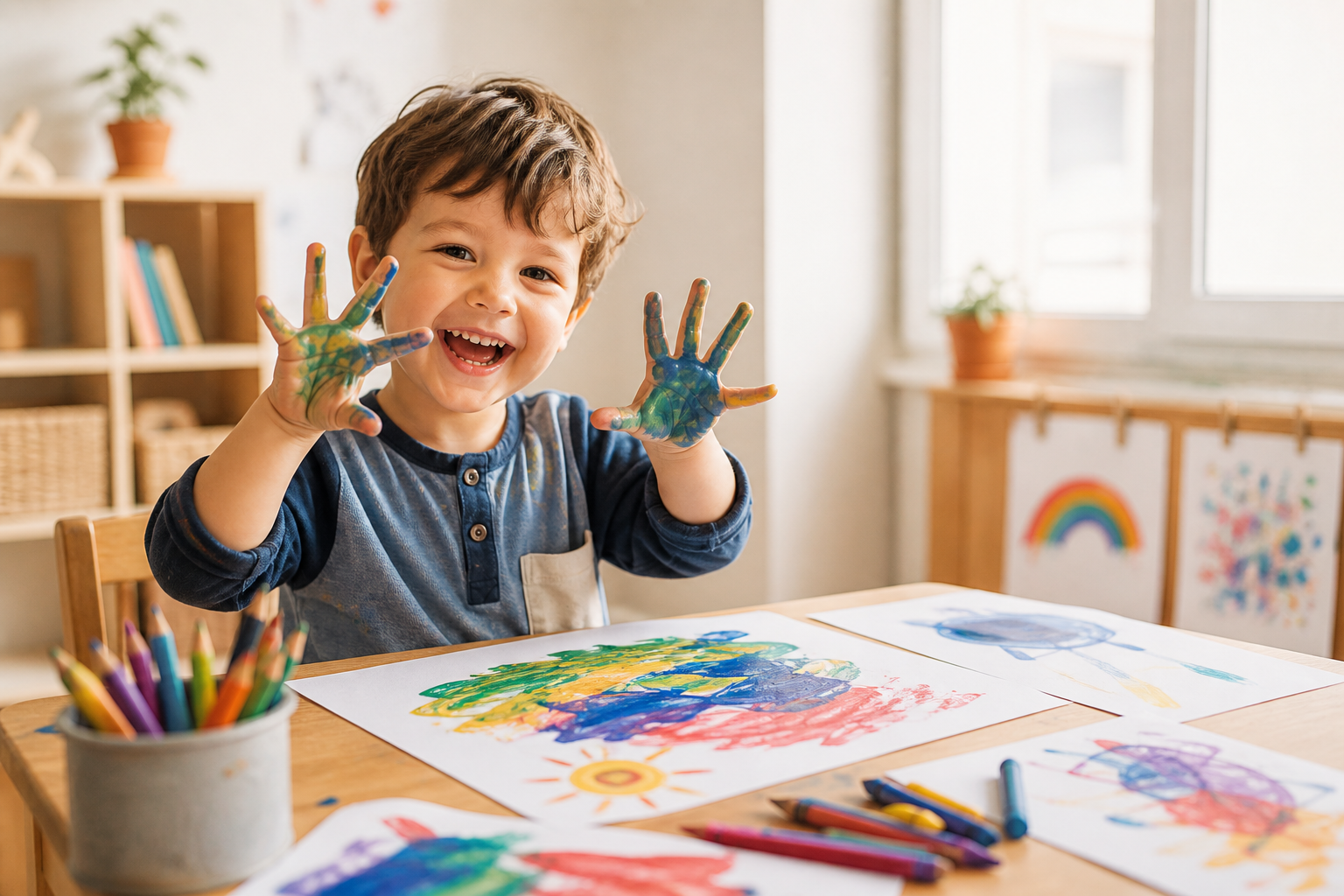
Between ages 3 and 5, children become more independent, expressive, and socially aware. During these years they expand language skills rapidly, develop friendships, learn problem-solving, improve physical coordination, begin understanding emotions, and build self-confidence. Every child develops at their own pace, but understanding typical milestones can help you support healthy growth.
What happens during this stage?
🧠 Cognitive growth
- Ask many questions
- Understand simple concepts
- Follow multi-step directions
- Engage in imaginative thinking
🤝 Social growth
- Make friends
- Learn cooperation
- Practice sharing
- Understand rules and expectations
🏃 Physical growth
- Better balance
- Improved coordination
- Running and jumping
- Finer motor control
💛 Emotional growth
- Self-control
- Emotional expression
- Empathy
- Coping skills
Why preschool years are important
The preschool years build the foundation for school success, emotional resilience, social relationships, self-confidence, communication skills, and lifelong learning habits. Experiences during these years help shape how children approach challenges and interact with the world.
Helping your child thrive
Small, everyday choices nurture confidence and curiosity.
Encourage exploration
- Let them ask questions
- Experiment safely
- Try new activities
Praise effort
- Focus on trying
- Celebrate learning
- Notice persistence — not just outcomes
Offer choices
- Which shirt to wear
- Which book to read
- Which snack to choose
Allow safe mistakes
- Builds problem solving
- Builds resilience
- Builds confidence
Development milestones (3–5 years)
Milestones are general guidelines — children develop at different rates.
🗣️ Language & communication
- Speak in full sentences
- Tell simple stories
- Follow 2–3 step instructions
- Ask many questions
- Use increasingly complex vocabulary
🤸 Motor skills
- Run confidently and jump forward
- Climb playground equipment
- Ride a tricycle
- Draw shapes and hold crayons properly
- Use child-safe scissors and build with blocks
👫 Social skills
- Play cooperatively
- Take turns
- Form friendships
- Understand rules
😌 Emotional regulation
- Name emotions
- Calm themselves
- Handle frustration
- Express needs verbally
🧦 Early independence
- Dress with help
- Clean up toys
- Feed themselves
- Wash hands
- Follow routines
Play is powerful learning
Play supports nearly every area of development.
🎨 Creative play
- Drawing & painting
- Craft projects
- Building blocks
- Boosts creativity & fine motor skills
📚 Reading & storytelling
- Read together
- Act out stories
- Ask questions about books
- Builds vocabulary & imagination
🔢 Numbers, colors & shapes
- Counting games
- Shape hunts
- Sorting objects
- Color matching
🌳 Outdoor play
- Nature walks
- Playground visits
- Ball games
- Obstacle courses
Screen-free activity ideas
Understanding preschool behavior
😤 Tantrums
- Often triggered by tiredness, hunger, or frustration
- Stay calm and acknowledge feelings
- Maintain boundaries and offer comfort
🧸 Sharing
- Still developing at this age
- Practice taking turns
- Model sharing
- Avoid forcing it immediately
👂 Listening
- Give simple directions
- Make eye contact
- Use positive language
- Praise cooperation
👋 Separation anxiety
- Keep goodbyes brief
- Establish routines
- Build trust gradually
Creating predictable daily routines
Routines help children feel safe, secure, and independent.
🌅 Morning routine
- Wake up
- Get dressed
- Brush teeth
- Eat breakfast
- Prepare for school
🍽️ Mealtimes
- Eat together when possible
- Offer healthy choices
- Avoid pressure
😴 Nap or quiet time
- Quiet reading
- Rest periods
- Calm activities even as naps decrease
🌙 Bedtime routine
- Bath → pyjamas → story → goodnight
- Supports better sleep
- Reduces bedtime struggles
Toilet training support
- Follow readiness signs
- Stay patient
- Celebrate progress
- Avoid punishment
Preparing for preschool
Social readiness
- Separate from caregivers
- Follow group routines
- Interact with peers
Communication readiness
- Express basic needs
- Understand simple instructions
- Participate in conversations
Self-care skills
- Hand washing
- Using the toilet
- Putting on shoes
- Managing belongings
Is my child ready for preschool?
- Can separate from caregivers briefly
- Follows simple directions
- Shows interest in other children
- Can communicate basic needs
- Participates in routines
When should I ask for help?
Consider discussing concerns with a healthcare professional if your child:
- Has significant difficulty communicating
- Rarely interacts with others
- Shows major delays in motor skills
- Frequently loses previously learned skills
- Has persistent behavioral concerns affecting daily life